Tiny Living Goes Mainstream: Micro-Apartments and Mini Homes Reshape Urban Housing Landscape
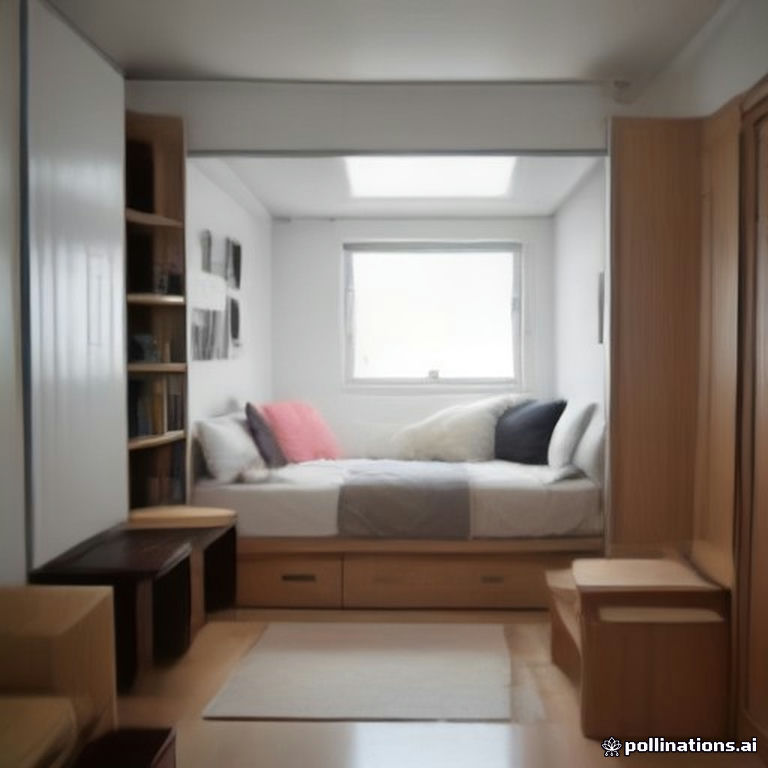
As housing costs continue to outpace wages in major metropolitan areas, a quiet revolution in residential design is gaining momentum. Micro-apartments—typically ranging from 285 to 420 square feet—and innovative tiny homes are moving from niche alternatives to mainstream housing solutions, driven by legislative changes, shifting demographics, and architectural ingenuity that makes compact living both functional and appealing.
The trend is most visible in the Pacific Northwest, where Oregon and Washington have recently passed legislation clearing regulatory hurdles for micro-apartment construction. Washington's bill, signed by Governor Jay Inslee in March 2024, requires most cities to allow micro-units in residential buildings with six or more units, taking effect in late 2025. Oregon's 2023 law mandates local governments permit single-room occupancy units in residentially zoned areas. These units, with median rents around $550 monthly, have become a vital option for people exiting homelessness or living on fixed incomes, with over 80% of tenants in some Portland programs previously unhoused.
Design Innovation Meets Density Demands
Architects and developers are deploying increasingly sophisticated space-saving strategies to make micro-living comfortable rather than cramped. In Manhattan's Lower East Side, the 30-story Suffolk tower includes three floors of 33 micro-units (315-350 square feet each) featuring sofa-bookshelf structures that fold down into Murphy beds. Paris-based Miogui Architecture transformed a 137-square-foot pied-à-terre into a functional office-home hybrid using built-in furniture that preserves floor space. In Eugene, Oregon, Tru Form Tiny installs elevator beds that rise to reveal fold-down desks by day and lower for sleeping at night.
These innovations extend beyond furniture. Modular wall systems, sliding shelving units on tracks, and transformer-like cabinetry that consolidates kitchen, closet, bed, and office into single units allow residents to reconfigure spaces for different activities. Shared amenities—rooftop decks, co-working spaces, communal kitchens, and fitness studios—effectively extend living space beyond unit boundaries, fostering community while reducing individual square footage requirements.
The movement isn't limited to apartments. Tiny homes on wheels, ranging from 52.5 to 330 square feet per person, continue to attract buyers seeking mobility and affordability. Oklahoma City nonprofit Pivot has built 26 tiny homes since 2019 for youth aging out of foster care. In Honolulu, the Nohona Hale project packs 111 micro-units of 285 square feet each onto a challenging trapezoidal infill site, each with a private lanai. Even shipping containers are being repurposed into apartments, demonstrating the versatility of compact housing typologies.
Yet experts urge caution against viewing micro-housing as a panacea. Portland State University planning professor Marisa Zapata warns that cities must avoid treating micro-apartments as the sole solution while neglecting larger units that families need. The National Low Income Housing Coalition reports a shortage of 7.3 million affordable rental homes for extremely low-income renters, suggesting micro-units address only one segment of a multifaceted crisis. Some advocates argue that without concurrent investment in family-sized affordable housing, micro-apartments risk becoming a permanent underclass housing tier rather than a stepping stone.
For residents like Cheyenne Welbourne, who moved into a Portland micro-apartment after years on the streets, the debate is personal. His unit—just large enough for a bed, chair, TV, and kitchenette with an induction cooktop—represents stability and dignity. "All I had was just me and my backpack," he said. "I was just happy to be in here and that I didn't have to spend another winter out there." As more states consider Pacific Northwest-style legislation, the conversation is shifting from whether micro-housing works to how it fits within a comprehensive affordability strategy that serves all household types.