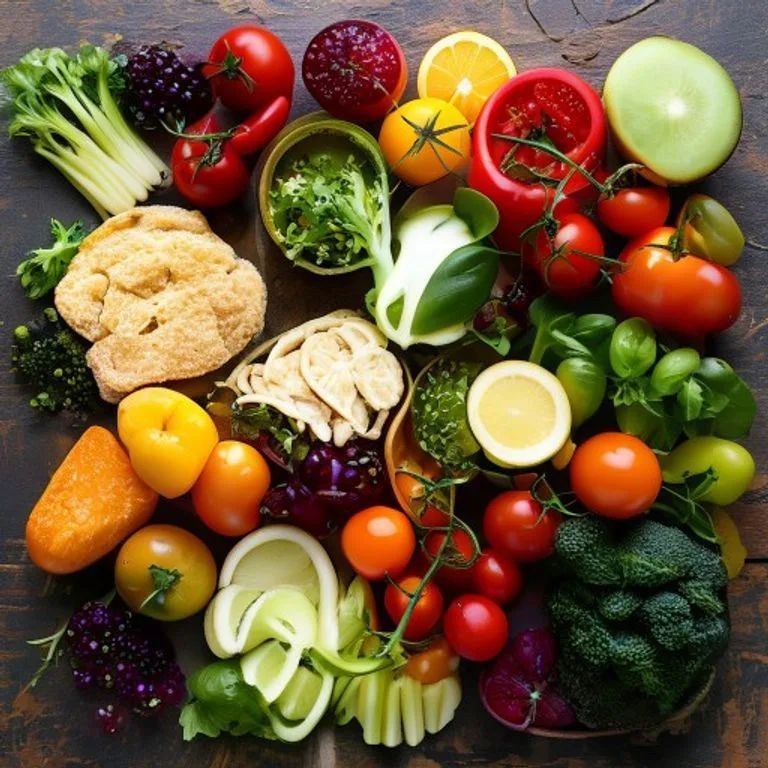
Healthy Recipes Surge in Popularity as Home Cooks Prioritize Nutrition Without Sacrificing Flavor

Across kitchens worldwide, a quiet revolution is underway: home cooks are increasingly reaching for recipes that balance nutrition with taste, driven by a growing body of research linking diet to long-term health outcomes. From leafy green power bowls to high-protein legume stews, "healthy" has shed its reputation as bland or restrictive and emerged as a broad, adaptable category. Food publishers, nutritionists, and celebrity chefs alike report that searches for nutrient-dense, whole-food recipes have climbed steadily, reflecting a cultural shift toward preventive wellness through everyday meals rather than short-term diets.
The momentum is supported by public health guidance. Nutrition authorities continue to emphasize diets rich in vegetables, fruits, whole grains, lean proteins, and healthy fats while limiting added sugars, sodium, and ultra-processed foods.膳食 patterns such as the Mediterranean diet — heavy on olive oil, fish, legumes, and produce — have repeatedly been associated with cardiovascular and metabolic benefits in large-scale studies. That evidence has filtered into mainstream cooking, where recipe developers now routinely foreground fiber content, protein counts, and vegetable servings alongside flavor notes.
What Makes a Recipe "Healthy" in 2026
Nutritionists caution that the label "healthy" is not legally defined and can be used loosely in marketing. A more reliable framework, they say, looks at three factors: nutrient density, processing level, and how the dish fits into a person's overall eating pattern. A recipe built around lentils, roasted vegetables, and a tahini dressing scores well on all three counts, while a "fat-free" packaged snack loaded with refined starch and sweeteners does not. Analysts note that consumers are becoming savvier, reading ingredient lists rather than trusting front-of-package claims — a change that has pushed food manufacturers and recipe platforms toward simpler, shorter ingredient lists.
Practical technique matters as much as ingredient choice. Health-focused cooks have embraced methods that build flavor without heavy amounts of butter, cream, or salt: charring vegetables to concentrate sweetness, toasting spices to release aromatics, using acid like lemon juice or vinegar to brighten finished dishes, and relying on herbs and aromatics for depth. Equipment such as air fryers, instant pots, and high-speed blazers has also expanded the repertoire, enabling quick weeknight meals that retain texture and nutrients. The result is a category where "good for you" and "worth making again" are no longer at odds.
Trends Shaping the Healthy Recipe Landscape
Several clear trends dominate current recipe development. First is the rise of plant-forward cooking: even omnivorous households are adopting meatless meals several times a week, citing both health and cost concerns, with tofu, tempeh, chickpeas, and beans serving as affordable protein anchors. Second is the continued demand for one-pan and sheet-pan dinners that minimize cleanup while maximizing vegetable intake. Third is the emergence of gut-health recipes featuring fermented ingredients like yogurt, kimchi, kefir, and sauerkraut, reflecting consumer interest in the microbiome — though scientists stress that specific benefits vary by individual and that no single food is a cure-all.
Meal prep culture has also matured. Rather than preparing identical containers for seven days, many cooks now batch-cook base components — grains, roasted vegetables, cooked legumes, dressings — and assemble varied bowls throughout the week to prevent flavor fatigue. Cookbook authors and registered dietitians point out that this approach also reduces food waste and impulse takeout orders, delivering savings alongside nutrition. Digital platforms have amplified the trend, with algorithm-driven apps suggesting swaps for allergies, dietary restrictions, or whatever happens to be wilting in the crisper drawer.
The Road Ahead: Sustainable Nutrition at Home
Looking forward, experts predict that healthy recipes will increasingly intersect with sustainability, as consumers recognize that diets beneficial for personal health — more plants, less processed meat, seasonal produce — often carry a lower environmental footprint as well. The challenge for the food media industry is to keep recipes accessible: supermarket prices and time constraints remain the biggest barriers to healthier eating for many households. Advocates argue that the most impactful recipe is not the most innovative one, but the one a busy person will actually cook on a Tuesday night — simple, forgiving, and built from ingredients that are easy to find and easy to afford.